How Arizona's Climate Affects Your Septic Tank: A Cochise County Homeowner's Guide to Residential Septic Pumping in Sierra Vista, AZ
Arizona's desert climate creates specific, year-round pressures on residential septic systems. Homeowners in the Sierra Vista, AZ, area need to understand those pressures to protect their investment. This guide explains how the Cochise County environment affects your tank across every season, what local rules apply, and why scheduling residential septic pumping in Sierra Vista, AZ, at the right time matters more than most homeowners realize.
How Arizona's Desert Climate Stresses Your Septic System
Sierra Vista sits at roughly 4,600 feet in elevation with a semi-arid climate marked by temperature swings, caliche soils, and the summer monsoon season. Each factor affects your septic system differently.
Monsoon Saturation and Your Drainfield
Monsoon storms can dump inches of rain in minutes. Baked desert soil cannot absorb that volume quickly, so runoff pools in low-lying areas, including directly over drainfields. When the soil around a drainfield becomes saturated, it loses its ability to accept new effluent, pushing wastewater back toward the surface or into your home. Limiting indoor water use during and immediately after heavy rain gives the soil time to recover.
Drought-Hardened Soil Between Storms
Between monsoon events, the dry season causes soil to harden and crack. Caliche, a calcium carbonate hardpan common across the Sonoran Desert, can block the downward movement of water through the drainfield even during dry stretches. When soil is already compromised, a properly sized tank and consistent pumping schedule become critical. Letting solids accumulate too long forces the drainfield to handle more untreated waste, accelerating damage to soil that is already struggling.
What Temperature Extremes Do to Bacterial Activity
Bacterial activity drives the treatment process inside your tank. Sierra Vista summers can push temperatures well above 90°F, accelerating bacterial activity while stressing the tank's internal balance. Heat can cause sludge to accumulate faster than expected, meaning pumping intervals that worked in milder climates may not be sufficient here. Cooler winter nights at this elevation slow bacterial processing, allowing solids to build up during colder months.
The combination of seasonal extremes means your system may need attention more frequently than the national average. Residential septic pumping in Sierra Vista, AZ, should be scheduled with local climate conditions in mind rather than relying on generic national guidelines. Learn more about
how pumping frequency should be adjusted for local conditions.
Cochise County Permit and Inspection Rules
Septic systems in Cochise County operate under oversight from the Cochise County Health Department. When a property changes hands, the seller must obtain a qualified inspection within six months before the transfer and provide the report to the buyer. A Notice of Transfer must be submitted to Cochise County within 15 calendar days of closing.
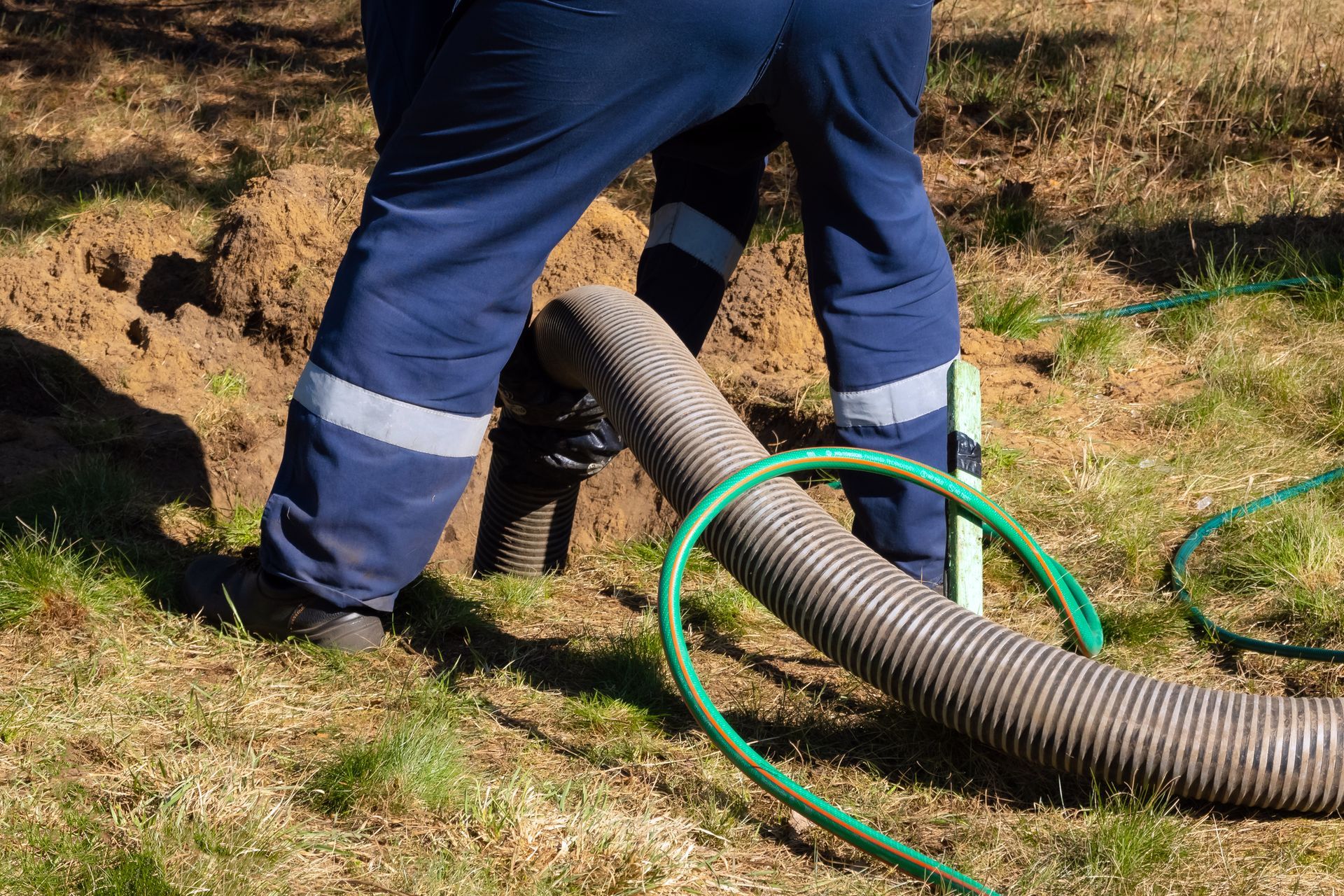
For new installations or modifications, a soil and site evaluation by a state-certified evaluator is required before applying for a permit. That evaluation typically involves at least three test pits dug to 12 feet to assess how local soil handles effluent. Staying current on maintenance, including routine residential septic pumping in Sierra Vista, AZ, can save significant time and expense if you ever sell.
Seasonal Maintenance Checklist for Sierra Vista Homeowners
Before Monsoon Season (May Through June):
▸ Divert surface water away from the drainfield so storm runoff cannot pool over it.
▸ Inspect tank access lids to confirm they are sealed against floodwater.
▸ Check for trees or shrubs near the drainfield whose roots may seek moisture from leach lines.
After Monsoon Season (October):
▸ Schedule a post-monsoon inspection to catch early signs of saturation or damage.
▸ Look for unusually green grass, soft ground, or odors near the drainfield.
▸ Confirm sludge levels and schedule a pump-out if it has been more than two to three years since your last service.
Year-Round:
▸ Avoid excessive garbage disposal use, as concentrated waste accelerates sludge buildup in a desert climate.
▸ Use water-conserving fixtures to prevent hydraulic overload during dry periods.
▸ Keep vehicles and heavy equipment off the drainfield, especially when soil is wet.
View the full range of available septic services to understand which maintenance options apply to your property.
Frequently Asked Questions
How Does Monsoon Season Affect My Drainfield?
Monsoon rainfall can saturate the soil faster than it can drain, preventing the drainfield from absorbing effluent and causing wastewater to back up indoors or surface in your yard. Reducing household water use during heavy rain events helps limit stress on the system.
Does Desert Heat Change How Often I Should Pump?
Yes. Elevated temperatures can accelerate bacterial activity and increase sludge accumulation. Sierra Vista homeowners may benefit from checking tank levels more frequently than the general three-to-five-year recommendation, particularly with higher-than-average household water use.
Do I Need a Permit to Service My Septic System in Cochise County?
Routine pumping does not require a permit. New installations, major repairs, or modifications must be reviewed and permitted through the Cochise County Health Department. Property sales also require a qualified inspection and Notice of Transfer.
What Are the Signs My Drainfield May Be Failing?
Warning signs include slow drains, gurgling plumbing, soggy or unusually green patches of grass over the drainfield, and sewage odors in the yard. If you notice these following a monsoon event or a long dry spell, schedule a professional inspection promptly to prevent more costly damage.
Schedule Residential Septic Pumping in Sierra Vista, AZ, With Roto Rooter Sewer & Drains
Protecting your septic system in Cochise County's climate takes consistent, locally informed care. Roto Rooter Sewer & Drains serves Sierra Vista, AZ, and surrounding Cochise County communities with septic pumping, inspections, and drain services built around the demands of high-desert living. Whether you are due for routine residential septic pumping in Sierra Vista, AZ, preparing for monsoon season, or dealing with a backup, the team is ready to help. Contact the team online to schedule your service or request more information about your septic system.
Call Sierra Vista:
520-458-9296 | Outside Sierra Vista:
800-339-9296